
HarvestGroup360
© 2026 HarvestGroup360 — a brand operated by AMII LTD.
Lessons learned from a Tier-1 security audit: How to protect client capital from black-swan events and infrastructure failures.
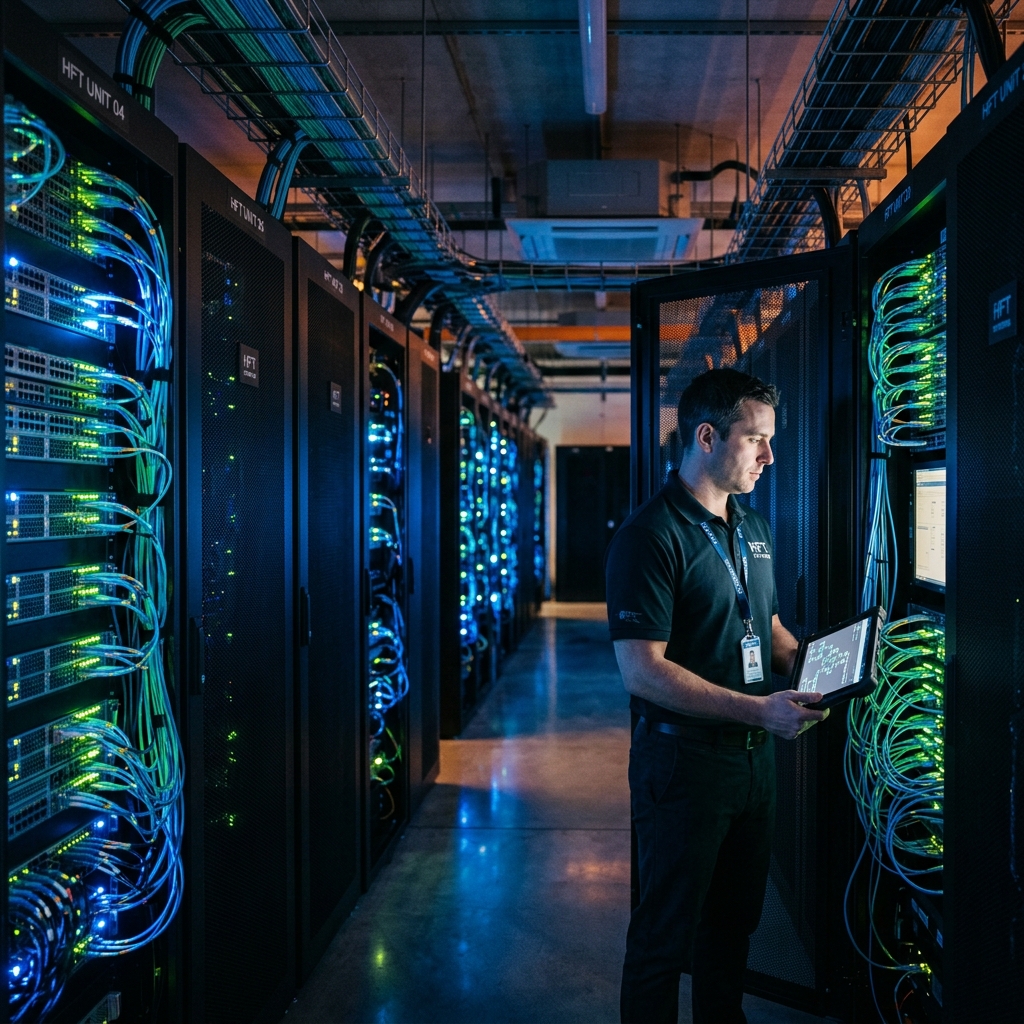
Algorithmic trading platforms face a unique set of challenges. Unlike traditional software, a single unhandled exception or network timeout in a trading execution engine can result in immediate and catastrophic financial loss. In this article, we explore the critical fail-safes every institutional trading desk must implement.
One of the most dangerous edge cases in high-frequency trading occurs when an entry order is filled, but the subsequent stop-loss order is rejected by the exchange. This can happen due to rapid price volatility, exchange margin limits, or network timeouts. The result is a "naked position" completely exposed to market risk.
Enterprise-grade systems must treat order placement as an atomic transaction. If the protective stop-loss fails, the system must immediately trigger an emergency market order to close the entry position, prioritizing capital preservation over potential profit.
Signal providers like TradingView occasionally send duplicate webhooks due to network retries. If a trading engine blindly executes every incoming webhook, a single signal could result in double or triple the intended position size. Strict idempotency checks—verifying the active position state before execution—are mandatory to prevent accidental over-exposure.
Following a recent Tier-1 security audit, HarvestGroup360 has reinforced its zero-trust architecture. We enforce strict HMAC cryptographic signatures on all API requests and mandate independent secrets for webhook listeners. Security in algorithmic trading is not just about preventing unauthorized access; it's about building deterministic execution environments where failure is systematically managed.